Elizabeth Seger, Ph.D.
AI Governance & Ethics Researcher |
Philosopher | outdoor enthusiast

I am a Senior Policy Advisor at the Tony Blair Institute for Global Change leading our work on global AI governance. I’m working to unlock the public value of AI with and for people, and to guard against societal risks.
Previously I was Director of Digital Policy at Demos, and I hold active research affiliations with the Centre for the Governance of AI (GovAI) in London, and am an affiliate of the AI: Futures and Responsibility Project (AI:FAR) at the University of Cambridge.
My research interests lie broadly in the ethics and governance of dual use technologies. See some of my favorite research streams on AI Openness, AI Democratization, andEpistemic Security
I hold a PhD in Philosophy of Science and Technology from the University of Cambridge.
Highlighted Works
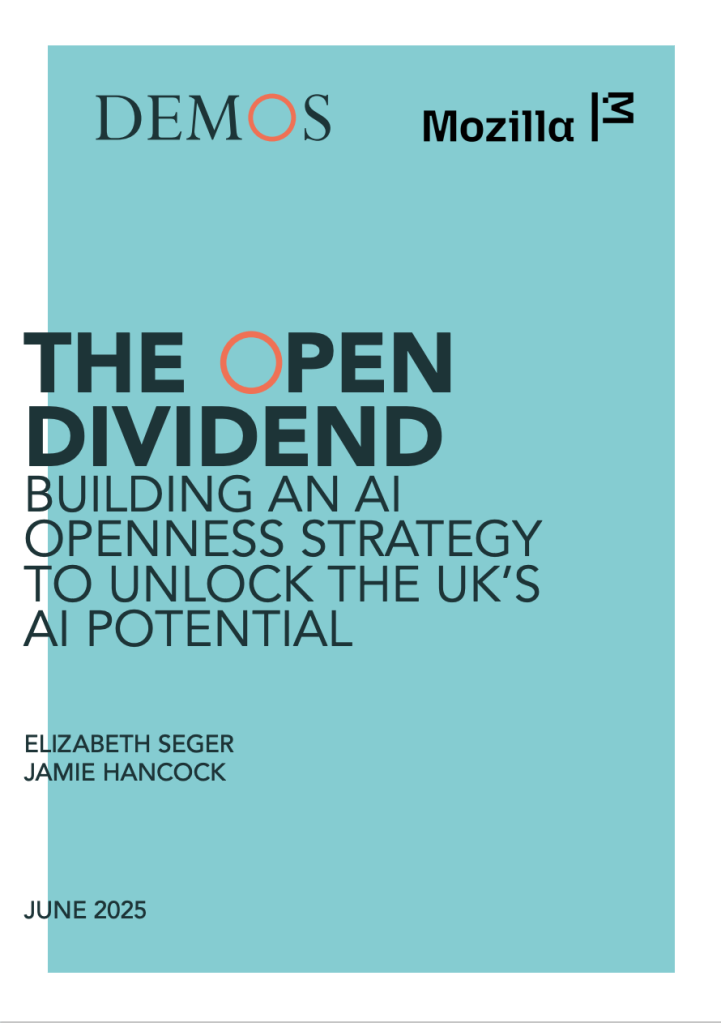
Open Dividend: Building an AI Openness Strategy to Unlock the UK’s AI Potential
makes the case for a national commitment to AI openness as a strategic move towards achieving the UK’s AI ambitions and sets how this could lead to an ‘open dividend’ to spur the UK’s growth goals. It highlights an opportunity to pursue that growth by leaning into the UK’s strengths through open research, collaborative development, and public-interest innovation.
– June 2025
Open-Sourcing Highly Capable Foundation Models
Agenda setting report providing and in-depth analysis of the risks and benefits of open-sourcing highly capable foundation model. The report also explores alternative methods for pursuing some open-source goals at less risk.
– September 2023

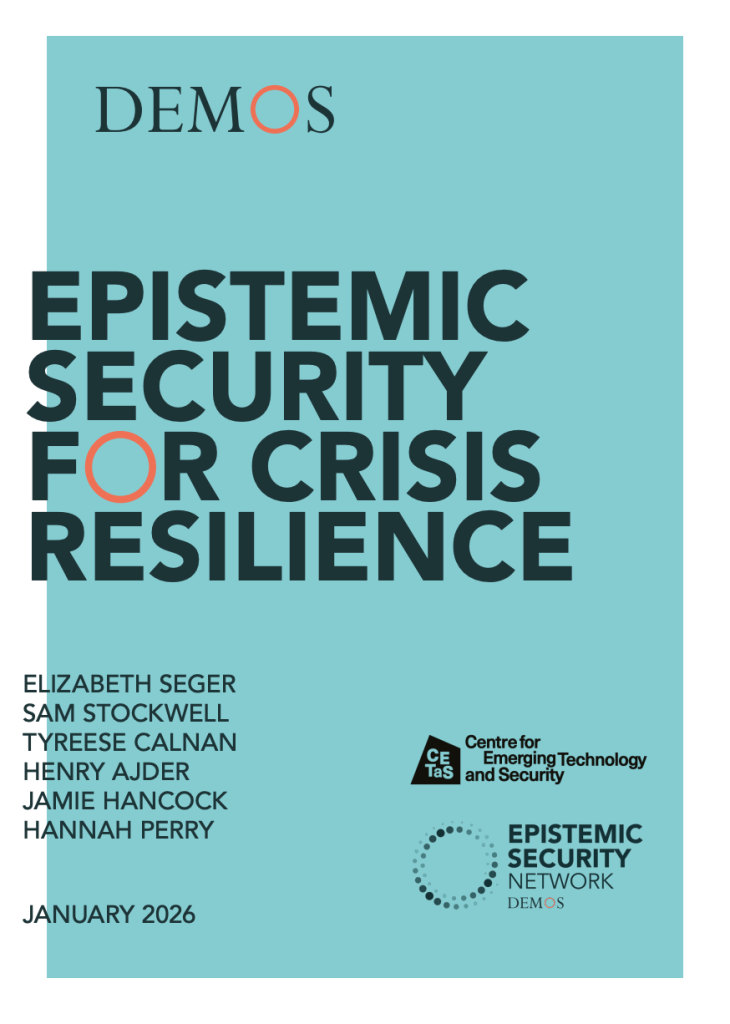
Epistemic Security for Crisis Resilience
Healthy information ecosystems are essential for democracies to respond effectively to crises, from pandemics to election interference. Adverse influences on information supply chains can add fuel to ongoing crises, slow response to crises in action, and nurture seeds of public dissatisfaction and distrust. In partnership with CETaS at the Alan Turing Institute, this project used red-teaming and scenario mapping to analyse crisis scenarios, identifying seven priority interventions to strengthen the UK’s information ecosystem and to build society resilience to crisis.
–January 2026
Democratizing AI: Multiple Meaning, Methods, and Goals
In the Proceedings of the AAAI/ACM Conference on AI, Ethics, and Society
Numerous parties are calling for “the democratisation of AI”, but the phrase seems to refer to a variety of goals—which sometimes conflict. If we want to move beyond ambiguous commitments to democratising AI, to productive discussions of concrete policies and trade-offs, then we need to recognise the principal role of the democratisation of AI governance in navigating tradeoffs and risks across decisions around use, development, and profits.
– August 2023

Contact
LindedIn
Twitter: @ea_seger


